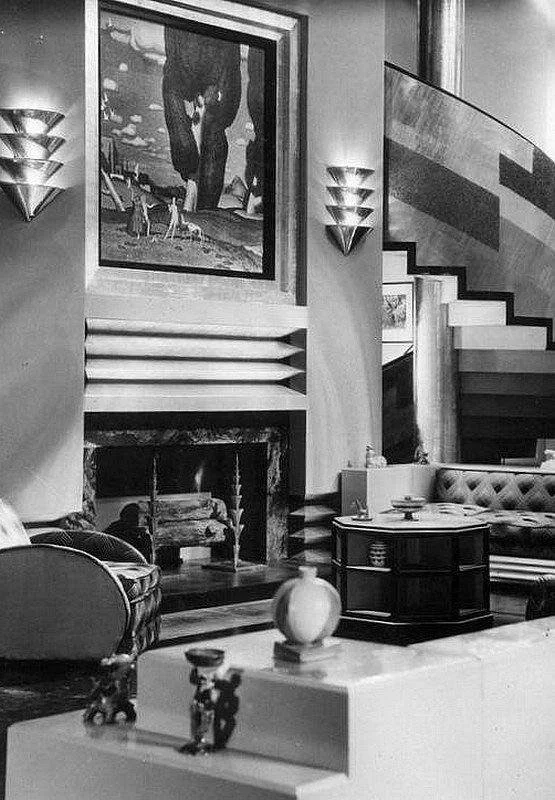
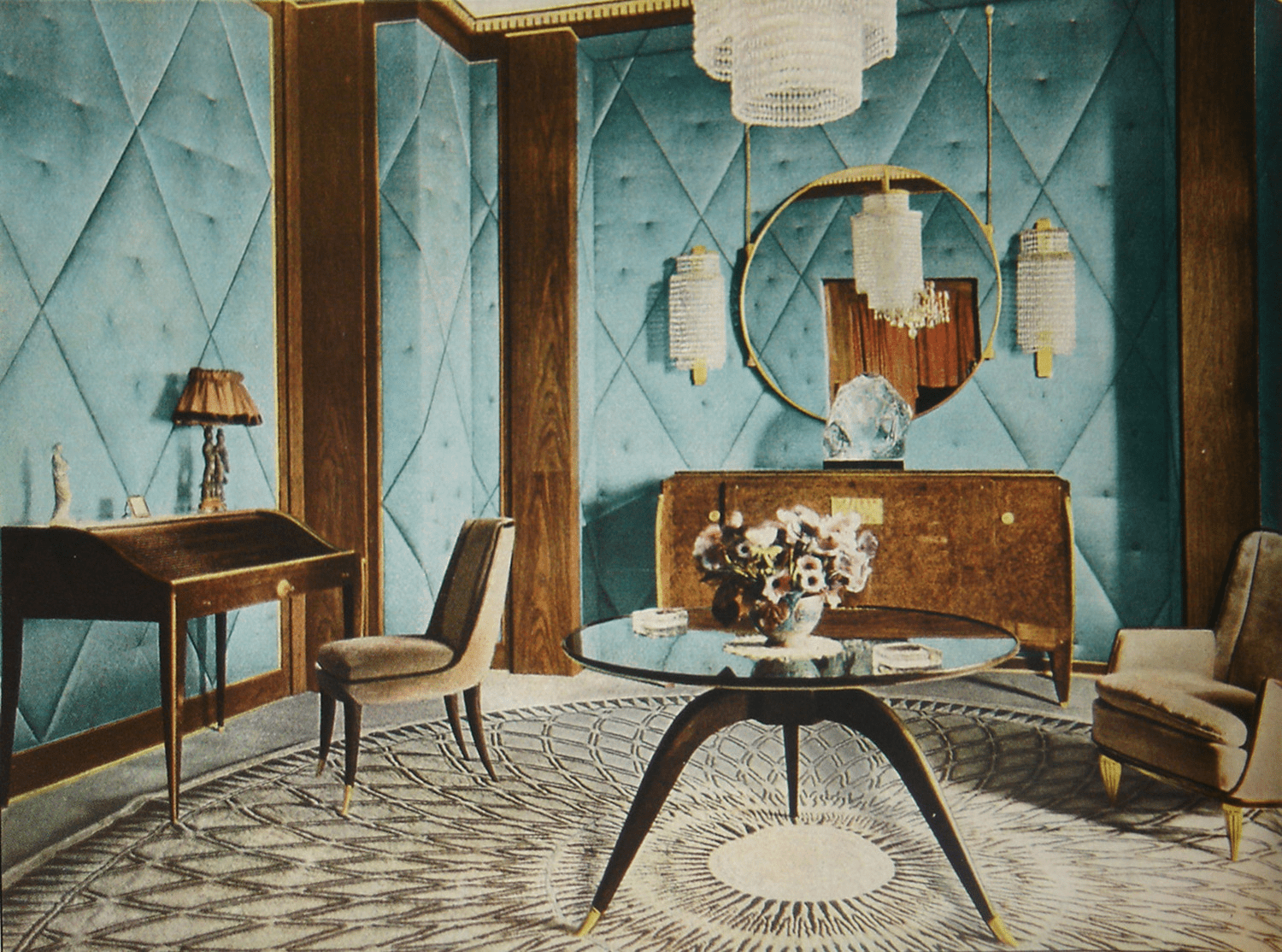
Presque invites you to a rare, exclusively interwar Art Deco collection sourced from private homes across Paris.
How it got here - Eric
The story begins in 2014, in Shanghai.
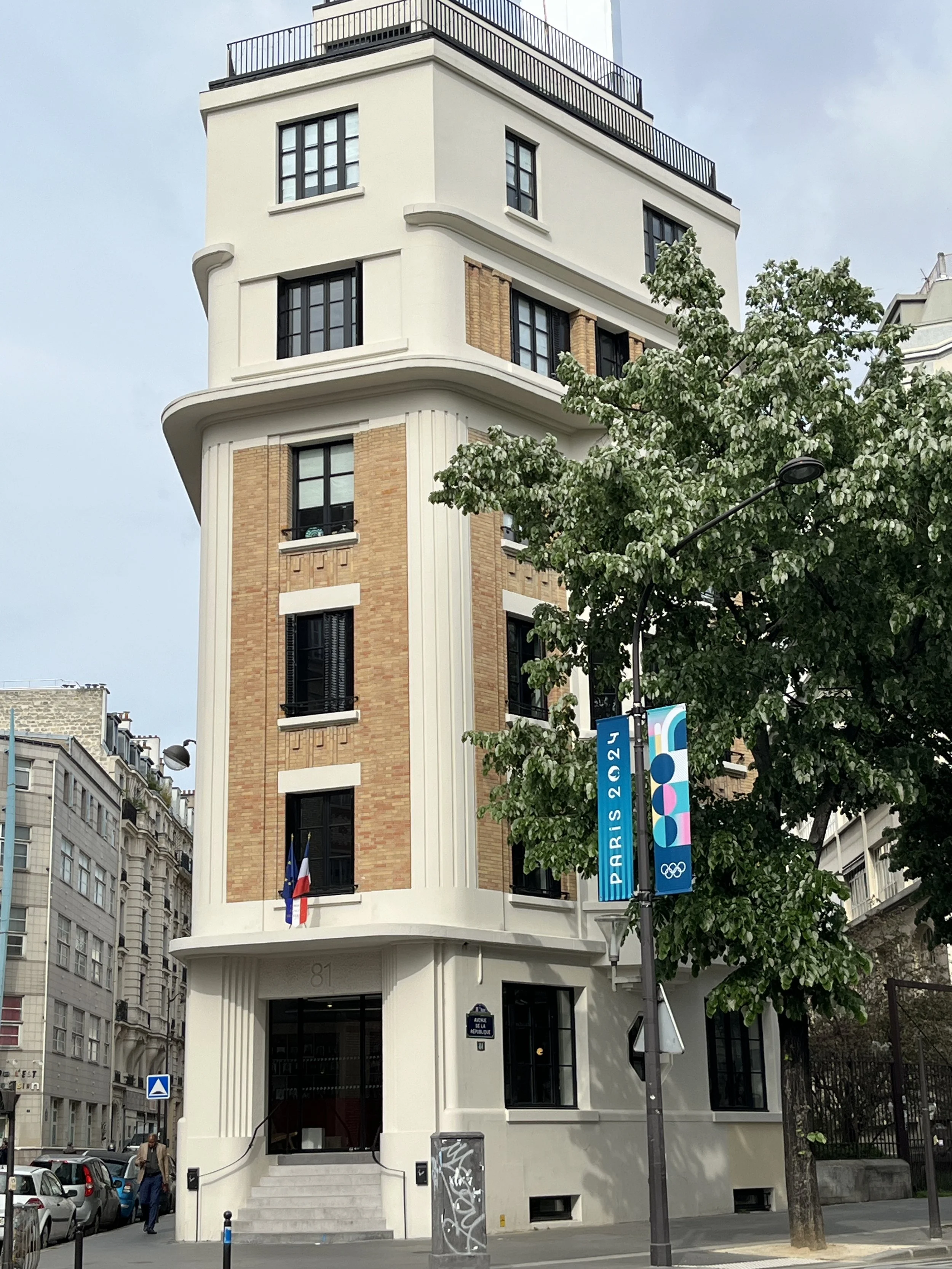
I had just expatriated and was living in the Former French Concession — a neighborhood of tree-lined longtangs and crumbling colonial facades that felt like a city dreaming of another century. I'd bike those lanes and stop, often, in front of Art Deco buildings: the geometry, the ornamentation, the particular confidence of a structure that believed beauty and utility were the same thing. Something in the form arrested me. I didn't yet have the words for why.
I grew up in Chicago, but spent the last fourteen years living and working across three continents, in more than twenty homes (crazy!). Across all of them, I noticed how profoundly the objects around you shape your interior life — how a single, well-chosen piece of furniture can change the feeling of a room and, quietly, the feeling of a day. By profession I work in private equity, which has trained me to think carefully about enduring value. The most enduring value, I've found, is almost never new.
Then came Paris.
I lived in the 6th arrondissement, a few blocks from Café de Flore, in the heart of Saint-Germain-des-Prés. The neighborhood where Hemingway, Gertrude Stein, and the Lost Generation once turned cafés into living rooms. History there isn't preserved behind glass — it's in the air, in the stone, in the objects people still use every day. Paris taught me that you can live in the present with old things. That it's not nostalgia exactly — it's more like continuity.
My first weekend at a flea market in the 11th arrondissement, I bought a table de chevet — a small bedside table, unassuming, a little worn. That purchase was a door. On the other side was the entire world of brocantes and marchés aux puces, places where old objects come back to life and find new custodians. I became a regular. Then a devoted one.
What kept pulling me back was something harder to name. Each piece felt like a vessel — a small permission to practice nostalgia, to indulge what I'll admit is probably a golden age fallacy. I've lost count of the evening walks I've taken in Paris, trying to place myself back in another time. Something about the past anchors my mind in a way the present rarely does. Perhaps, somewhere in the subconscious, these Art Deco objects are a way of dreaming — of imagining what a rich, considered life in 1930s Paris must have felt like.
Why art deco, why France?
Between roughly 1920 and 1940, something happened in design that hasn't happened since. Cabinetmakers worked in palissandre de Rio and macassar ebony with the seriousness of architects, joining marble, lacquer, and shagreen into objects as ambitious as the buildings around them. Then the war came, and broke it. What came after was engineered for mass production and the economics of ultracapitalism — most of what surrounds us now descends from that turn. The pieces that survived are time capsules. They remind us we were capable of more.
I grew up in Chicago, surrounded by Art Deco before I knew the name for it. The Carbide & Carbon Building, the Board of Trade, the lobby of the Palmolive — a skyline shaped by American architects who had crossed the Atlantic to study in Paris and come back changed. The 1925 Exposition Internationale des Arts Décoratifs gave the style its name and gave Chicago its century. I rode past those facades for years without seeing them.
Then expat life took me to Shanghai, to the Former French Concession — tree-lined longtangs, crumbling facades, a neighborhood that felt like a city dreaming of another century. The Bund, a mile of Art Deco banks and hotels along the Huangpu, taught me the style was never French alone. Then Singapore, and the curved white walls of Tiong Bahru, the same decade speaking in a quieter voice. Then Paris, where I lived for years. One weekend, early on, at a flea market in the 11th, I bought a table de chevet — small, unassuming, a little worn. That purchase was a door. On the other side were the brocantes and the marchés aux puces, the entire world of objects coming back into circulation, finding new custodians.
Presque exists to bring those pieces here. Only Art Deco, only 1920 to 1940 — because no other period made objects that hold what these hold. Each season, a small number of them, sourced directly from owners in Paris. Brought home, to Chicago.



Their attention to detail and commitment to quality truly stood out. We’ve already recommended them to others.
—Former Customer