No. 010
Le Daunou
Table guéridon. c. 1933
One for One | Status: Available in Chicago
Le Daunou is the geometry that holds a drink. A small guéridon in stunning walnut acajou veneer and ebonized wood, octagonal top with chamfered corners, four columnar legs in geometric vocabulary, and a stepped base shelf repeating the form. What a high Art Deco classique register! Bookmatched flame veneer across the top, two-toned in the manner of the period's serious workshops. The kind of table that lived beside a salon armchair, holding what the evening required. Honest, original throughout. Authenticity assessed and certified.
-
French atelier production, c. 1933
-
French Art Deco Classique. Le Daunou sits at the small end of the high classique register — the accent piece that applied the period's formal vocabulary at the most modest scale. The table beside the chair, the surface that holds the glass while the conversation continues. The four columnar legs, the chamfered octagonal top, the stepped base shelf — all traceable to the Ruhlmann formal lexicon, translated here into anonymous workshop production for the bourgeois apartment. This is the moment Émile-Jacques Ruhlmann was producing his most ambitious work and the 1925 Exposition's influence was at its peak — small workshop pieces like Le Daunou absorbed the Ruhlmann register into more modestly-scaled domestic furniture, applying the same formal vocabulary at a smaller scale and price.
-
Private Home of Saint-Maur-des-Fossés, France. Acquired 2026.
Authenticity professionally assessed.
-
Presque Studio, Chicago, USA
-
23½ × 15¾ × 29½ (inch)
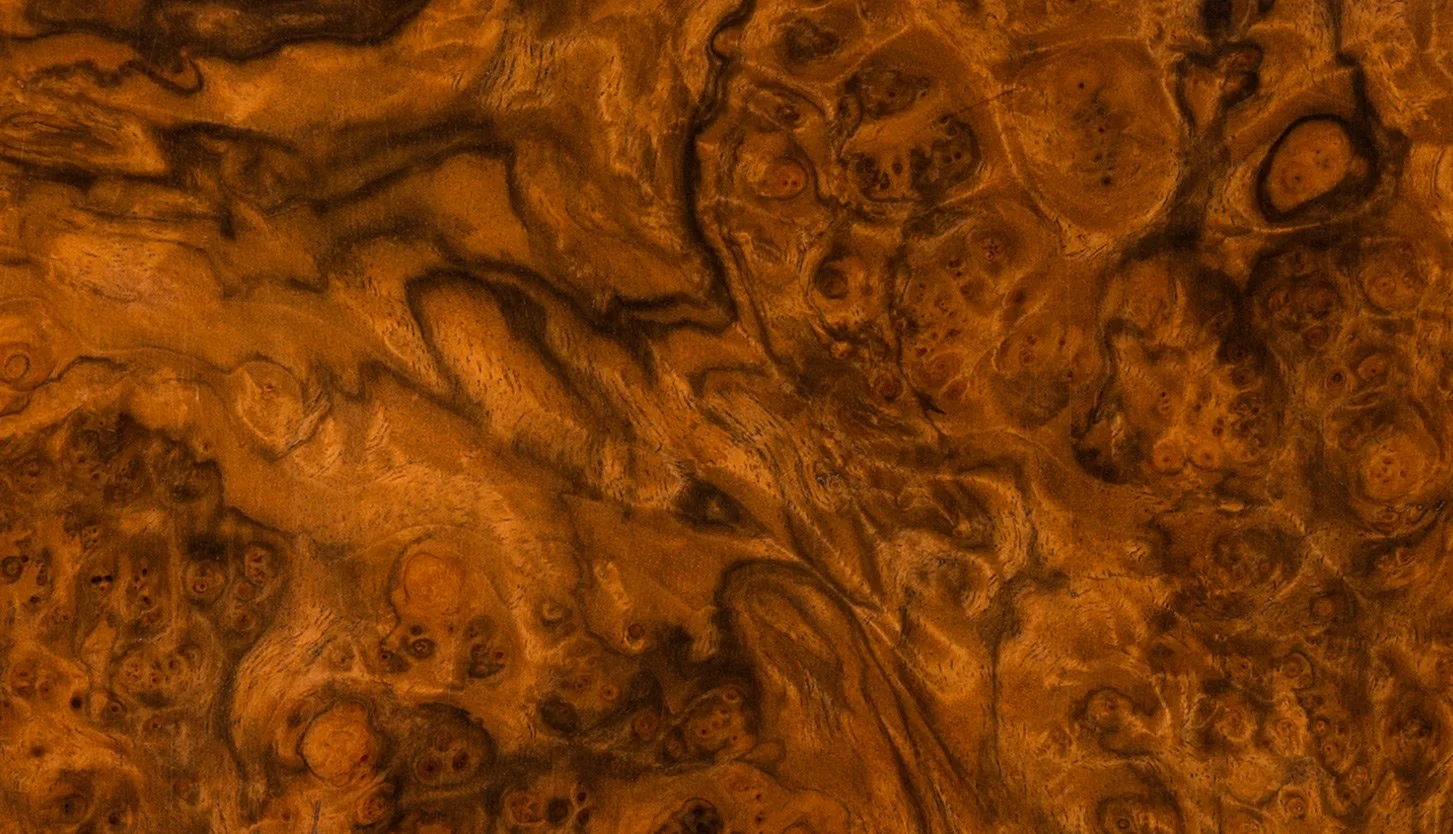
Walnut veneer, Ebonized wood, columnar legs and base shelf Solid wood substructure
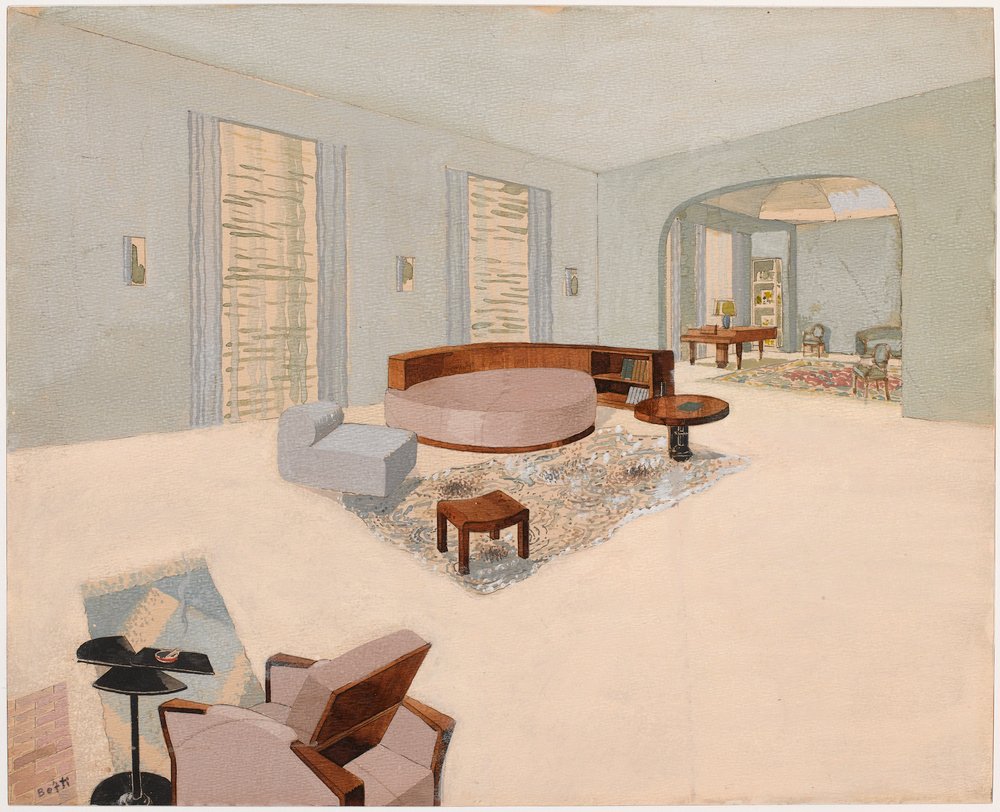
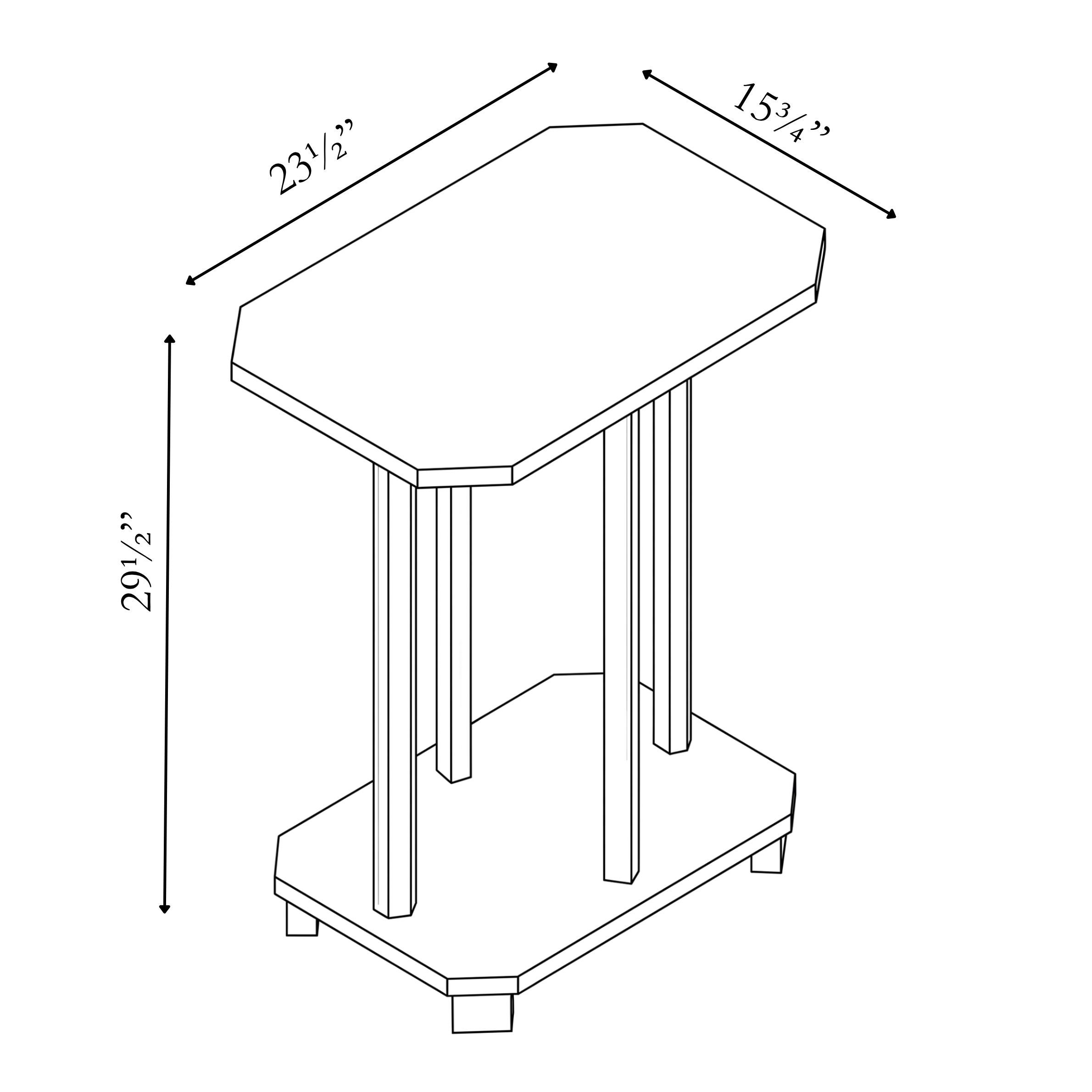
Studio imagery rendered from photographs of the original piece.
Presque does not sell online. Each piece is acquired in person
Consider pairing it with...The book.
L’Europe Galante, Paul Morand (1925).
-
L’Europe Galante, or Europe at Love, is a collection of cosmopolitan stories from the année Exposition. Not surprisingly, the novel is written the year Art Deco got its name, set in the European capitals where the bourgeoisie traveled between wars. The book serves as an unassuming decorative piece: just slim enough to lie open on Le Daunou without overwhelming it. We recommend to read in fragments across an evening, set down when the conversation returns.
The record.
Le Tombeau de Couperin, Maurice Ravel (1919)
-
This masterpiece, played by Vlado Perlemuter, is recorded under Ravel's direct supervision. The composer who matched Art Deco's geometry in music: formal, precise, classical at its bones, modern at its surface. Played at low volume, the record of the room being still. Maurice Ravel was the French composer whose formal intelligence most closely matched the period's visual ambitions: precise, structured, classical in its architecture and modern in its surface. We couldn’t think of a better fit other than Le Daunou.
The pour.
Champagne Krug Grande Cuvée, Reims
-
Krug was the Parisian champagne of the 1920s and 1930s, the bottle for quietly serious occasions. By the 1920s and 1930s it was the champagne of the Parisian intelligentsia — the bottle on the tables of the Café de Flore and the private salons of the 16th arrondissement. The coupe — the wide, shallow glass rather than the narrow flute — is what the period actually used; the flute is a post-war convention. A coupe of Krug on Le Daunou is the exact image of the high Art Deco salon at its most composed.
The art.
La Tasse de café, Pierre Bonnard (1915)
-
Le Café is Pierre Bonnard's 1915 painting of his wife Marthe at a dining table, a cup of coffee in front of her, the table stretching toward the viewer as if inviting someone to sit down opposite — painted with the domestic intimacy Bonnard spent his career perfecting. The dining table was one of his lifelong subjects: its associations with routine, with conviviality, with the objects that accumulate around a person who has been sitting long enough, were exactly what his eye was trained to notice.
+ Then sought after
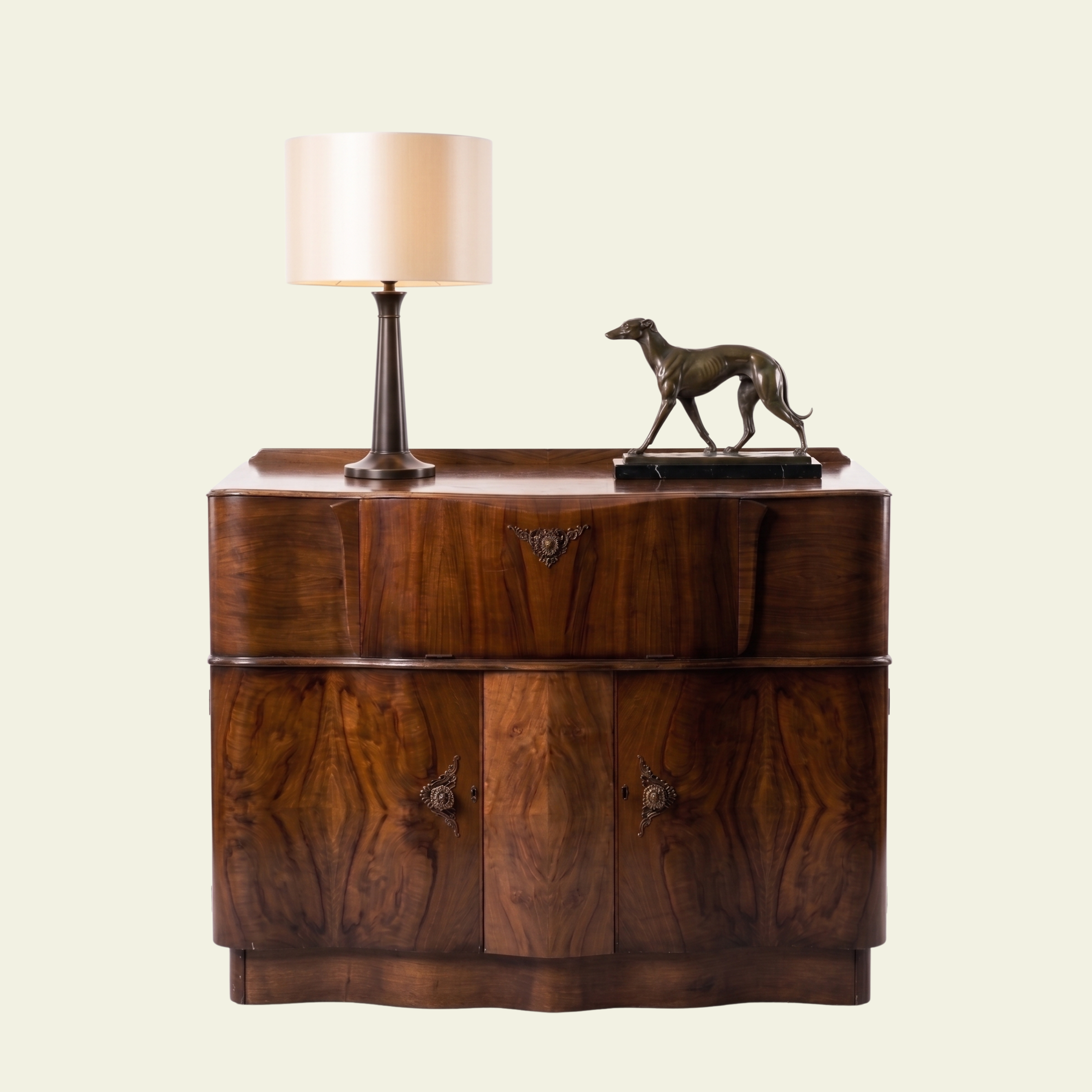
Le Courcelles >
Le Recamier >
Le Dauphine >
Le Croisé >