No. 003
Le Dauphine
Art Deco Console
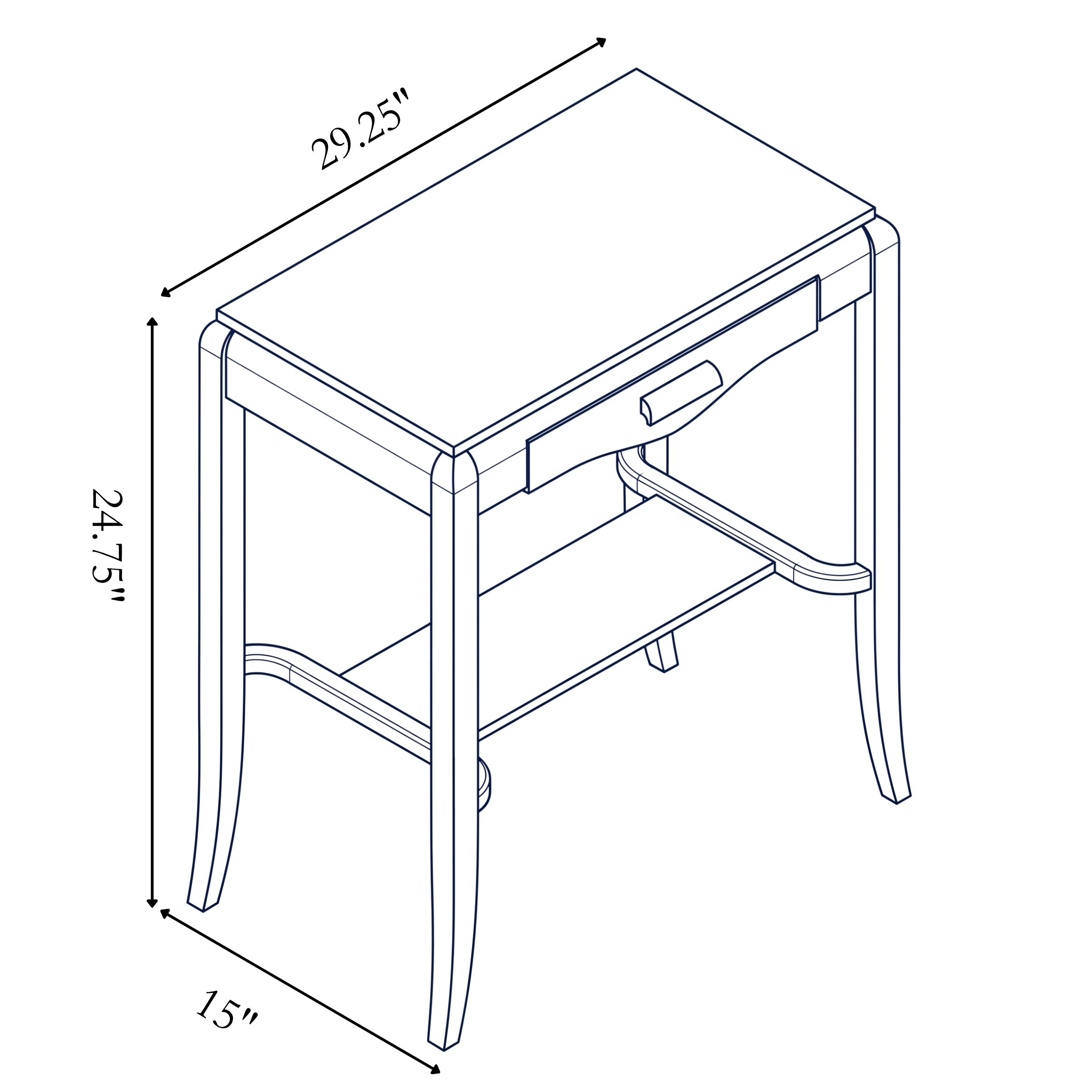
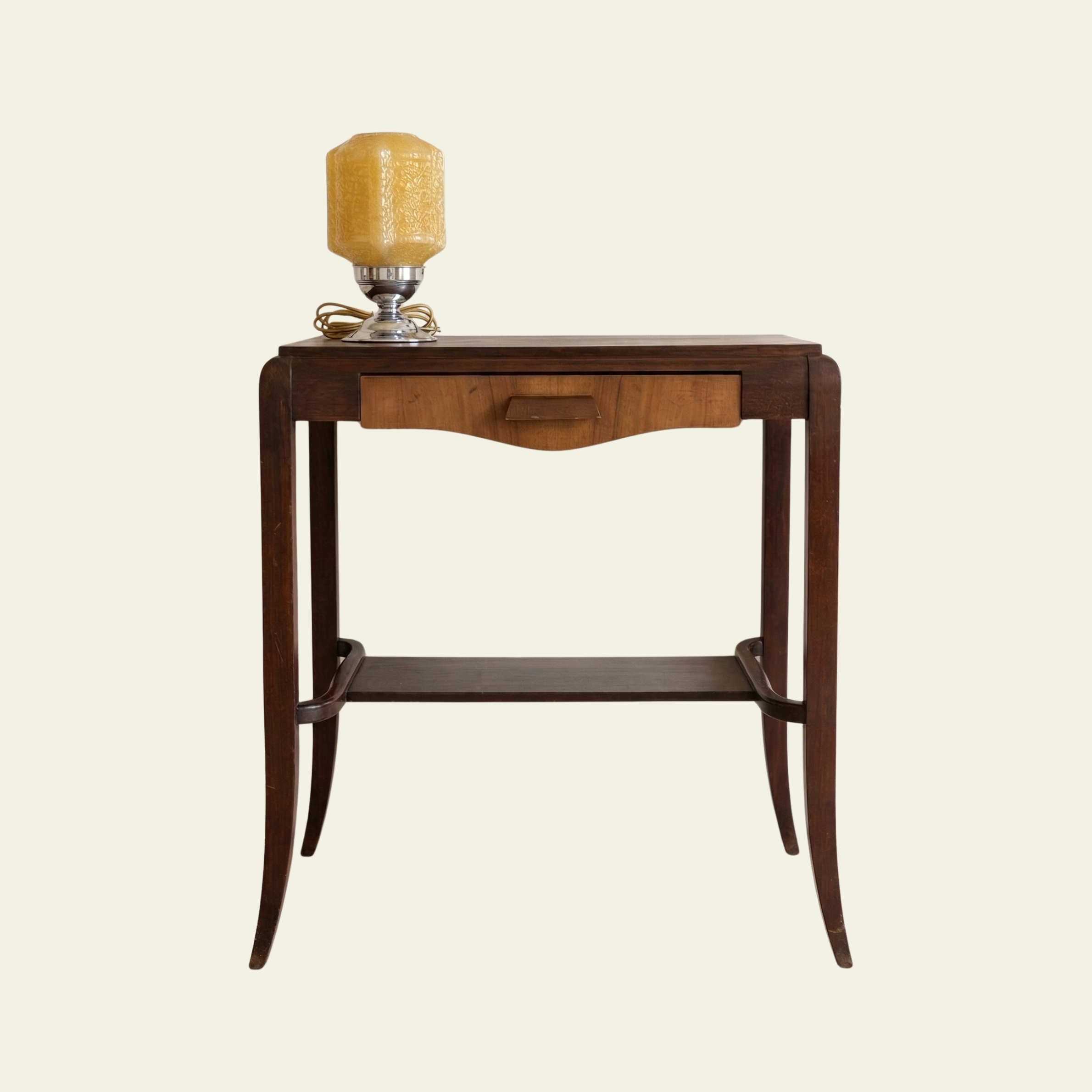
Le Dauphine is the small piece, the one that did the daily work. A table d'appoint in walnut and ebonized wood — two-toned in the late Art Deco vocabulary, with curved cabriole legs softening the high geometry of the period — c. 1938, from the working register of Parisian furniture. Modest in scale, made in the Faubourg Saint-Antoine workshops where French furniture has been made for four hundred years. Honest, unrestored. Authenticity assessed.
-
French atelier production, c. 1930
-
French interwar Art Deco Classique
-
Private Home of Saint-Maur-des-Fossés, France. Acquired 2026.
Authenticity professionally assessed.
-
Presque Studio, Chicago, USA
-
29¼ × 15 × 24¾ (inch)
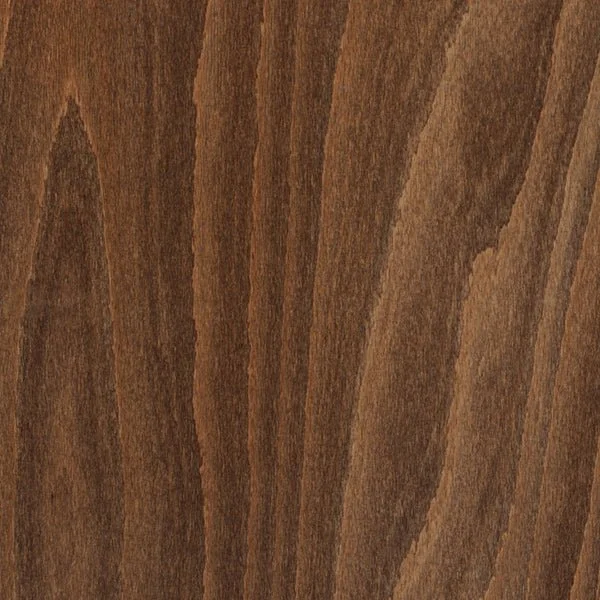
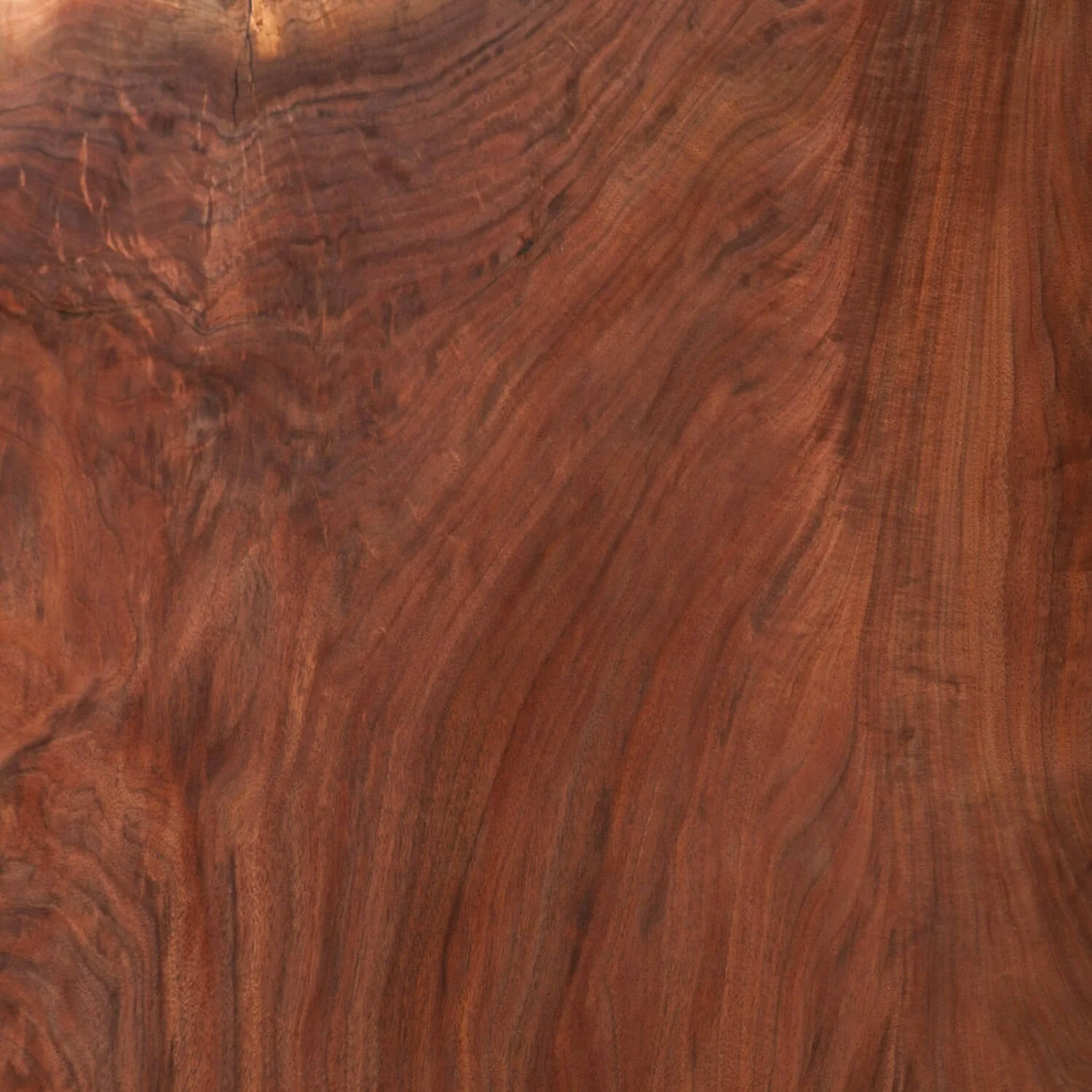
Walnut Burl Veneer
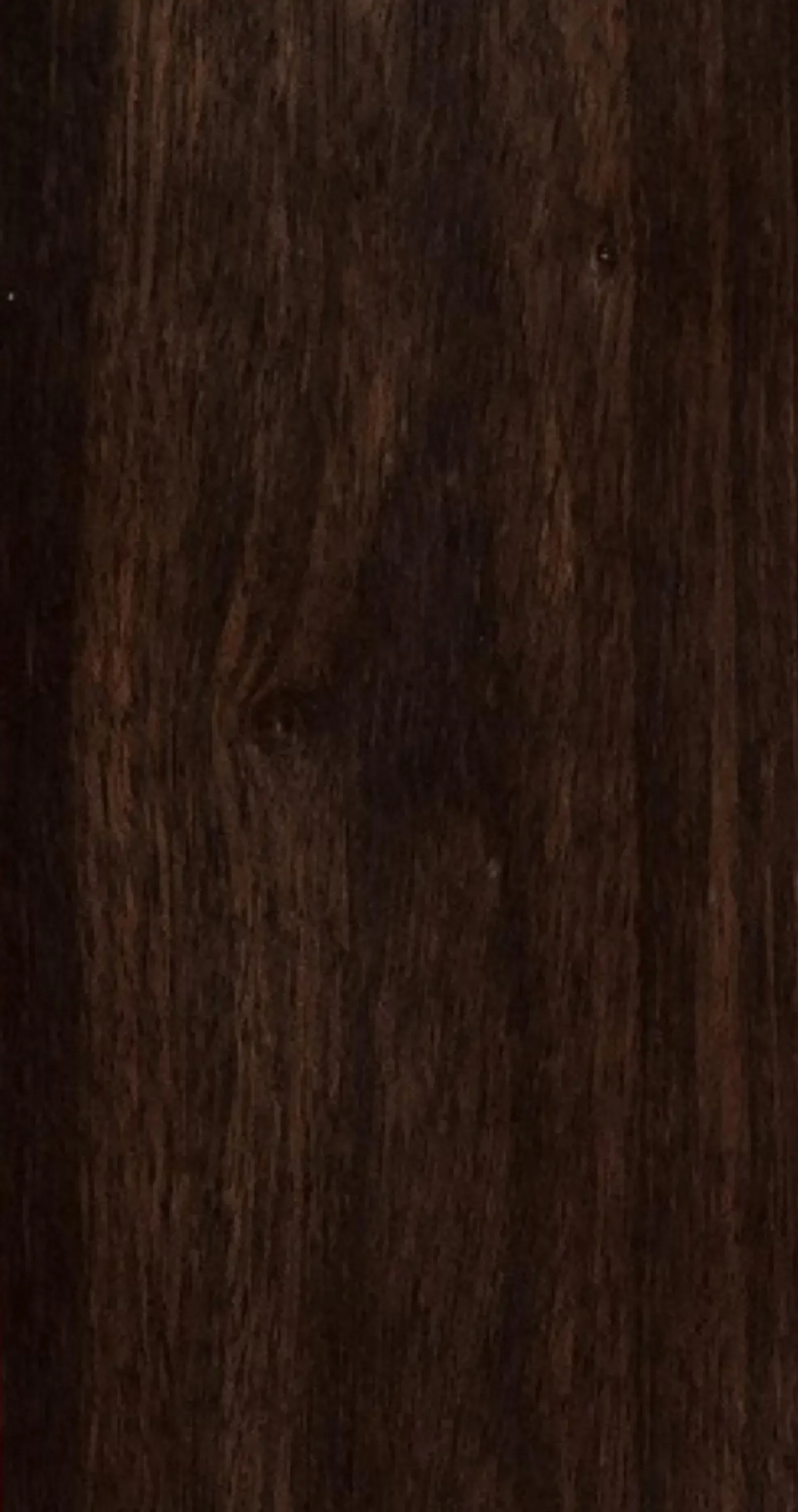
Ebonized wood
Solid wood structure
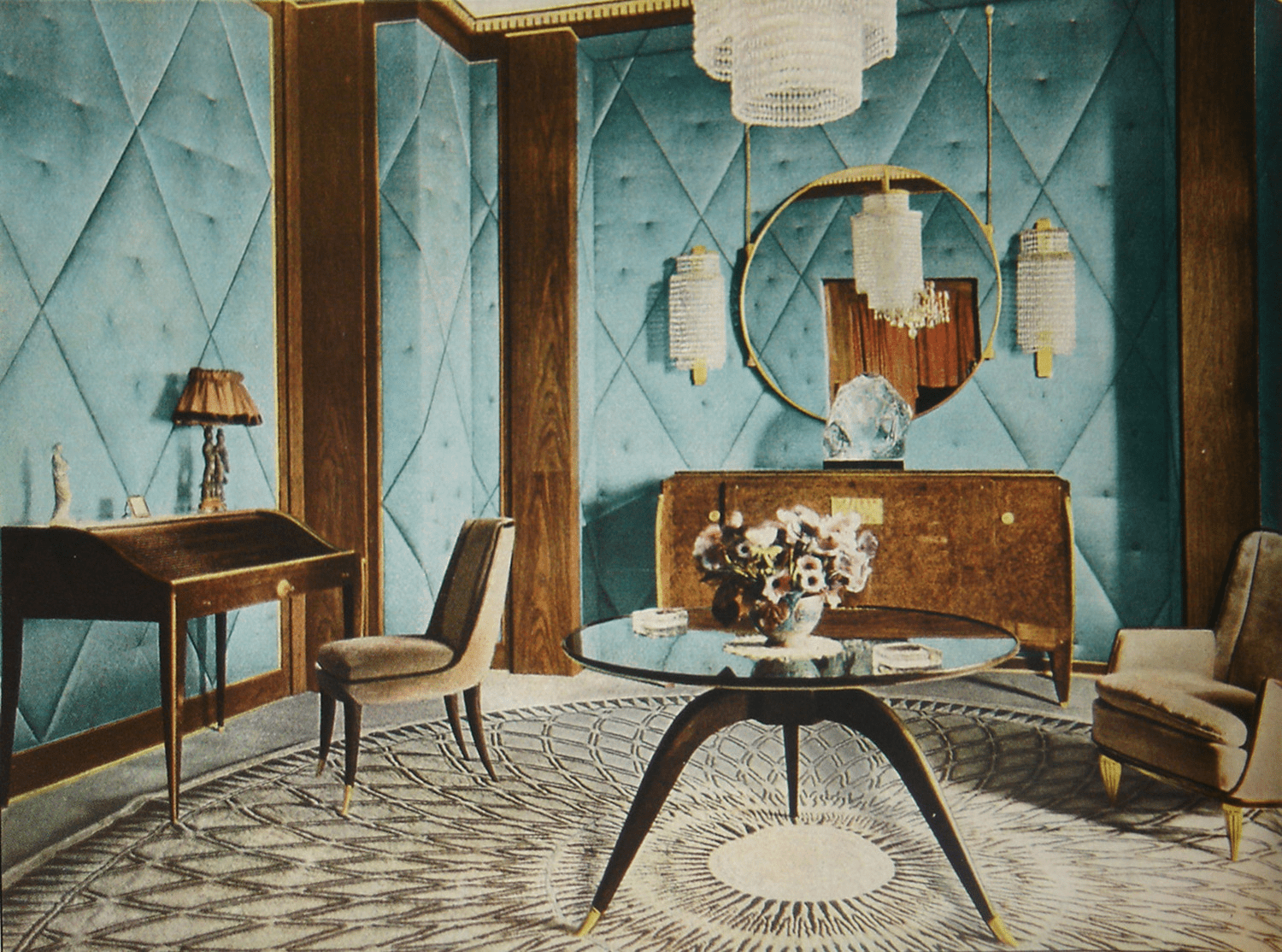
This furniture goes well with…The book.
Mémoires d'un Tricheur- Sacha Guitry (1935)
-
Mémoires d'un Tricheur is Sacha Guitry's 1935 autobiographical novel of a Parisian raconteur. The autobiography of a card cheat and storyteller looking back across his life from a café table. Guitry wrote it as a single sustained voice, half memoir and half confession, in the casual conversational French of someone telling stories to friends across a long evening. The book is the kind that gets quoted from memory in the right kind of conversation, often by hosts who want to sound clever without sounding studied.
The record.
J’ai Deux Amours - Josephine Baker (1930)
-
J'ai Deux Amours is the song Joséphine Baker recorded in Paris in 1930, written for her by Vincent Scotto and Géo Koger, who built it around her actual circumstance: an American performer who had become so identified with Paris that she could no longer name a single home. The song became her signature, played on radio across France through the 1930s, and remained the song she opened her shows with for the next forty years. Baker herself was the most famous Black performer in Europe between the wars, the muse of Le Corbusier and Hemingway, and a member of the French Resistance during the war. The song is short (just 3 minutes), and works best played at the volume where it half-disappears into a room of people talking, the way it would have at the salon parties she sometimes attended.
The pour.
Dubonnet on the rocks - Paris (1864)
-
Dubonnet is a French quinquina, a wine-based aperitif fortified with quinine, herbs, and spices, made since 1846 in Paris. It became the dominant Parisian apéritif of the 1920s and 1930s, drunk slowly on terraces and in bourgeois apartments across the long afternoon, where the same glass could last two or three hours without ending the conversation. Cassandre's 1932 advertising posters - Dubo, Dubon, Dubonnet, three frames showing a man drinking and the typography completing itself - became one of the canonical works of Art Deco graphic design, now held at the Bibliothèque Nationale and the Musée des Arts Décoratifs. The drink and its poster were already part of Parisian visual culture by the time Le Monceau was made.
The art.
Portrait of Tadeusz Łempicki - Tamra de Lempicka (1928)
-
Portrait of Tadeusz Łempicki is the unfinished portrait Tamara de Lempicka painted of her first husband in 1928, during the year their marriage ended. Lempicka was the dominant portraitist of Parisian Art Deco; her clients were the high-bourgeois women and men of the 16th and 8th arrondissements, painted in the metallic palette and elongated figures that became the period's visual signature. The painting is one of the few works of the period that depicts a man in a chair in the formal seated pose Le Monceau's fauteuils club were made for.
Studio imagery generated from photographs of the original piece. Provenance, dimensions, and condition are documented from the physical object.
+ Then sought after
Le marais >
Le Trocadero >
Le Dauphine >
Le Monceau >