No. 013
Le Pigalle
Mahogany Table de Milieu. c. 1928
Chairs are not included
One for One | Status: Available in Chicago
Le Pigalle doesn't commit to a single use. It works as a table à manger for two, a table de jeux for four, or the center table a salon arranges itself around. Single pedestal, no leg interference, the same octagonal geometry at top and base. A Parisian table de milieu in acajou and ebonized wood, c. 1928 — the piece that did whatever the apartment required of it that evening.
-
French atelier production, c. 1928
-
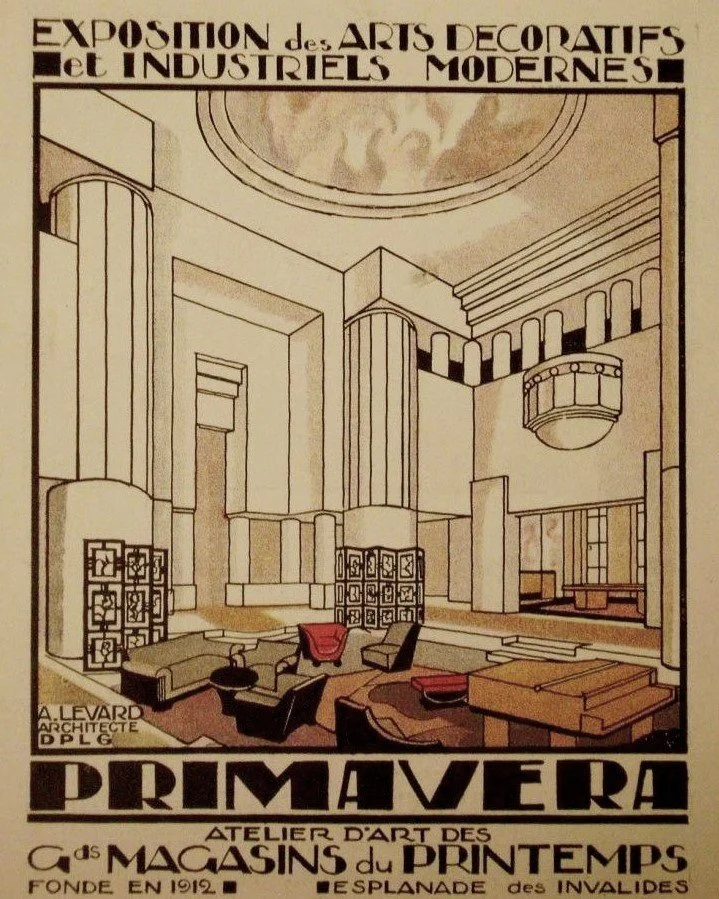
French interwar Art Deco Classique. The pedestal table de milieu in this specific form — octagonal top, truncated-pyramid column, stepped octagonal base — is one of the canonical center-table forms of the period, appearing across the full range of Parisian production from Ruhlmann's studio down to anonymous workshop pieces. The formal logic is consistent: the same octagonal geometry at top and base, the pyramid as the structural and aesthetic connective element between them. Where Ruhlmann worked this form in macassar ebony and ivory, the workshop that made Le Pigalle applied the same vocabulary in acajou and ebonized banding — the same formal seriousness at a different material register.
-
Private Home of Verrières-le-Buisson, France. Acquired April 2026.
Authenticity assessed.
-
Presque Studio, Chicago, USA
-
33.5 X 28 (inch)
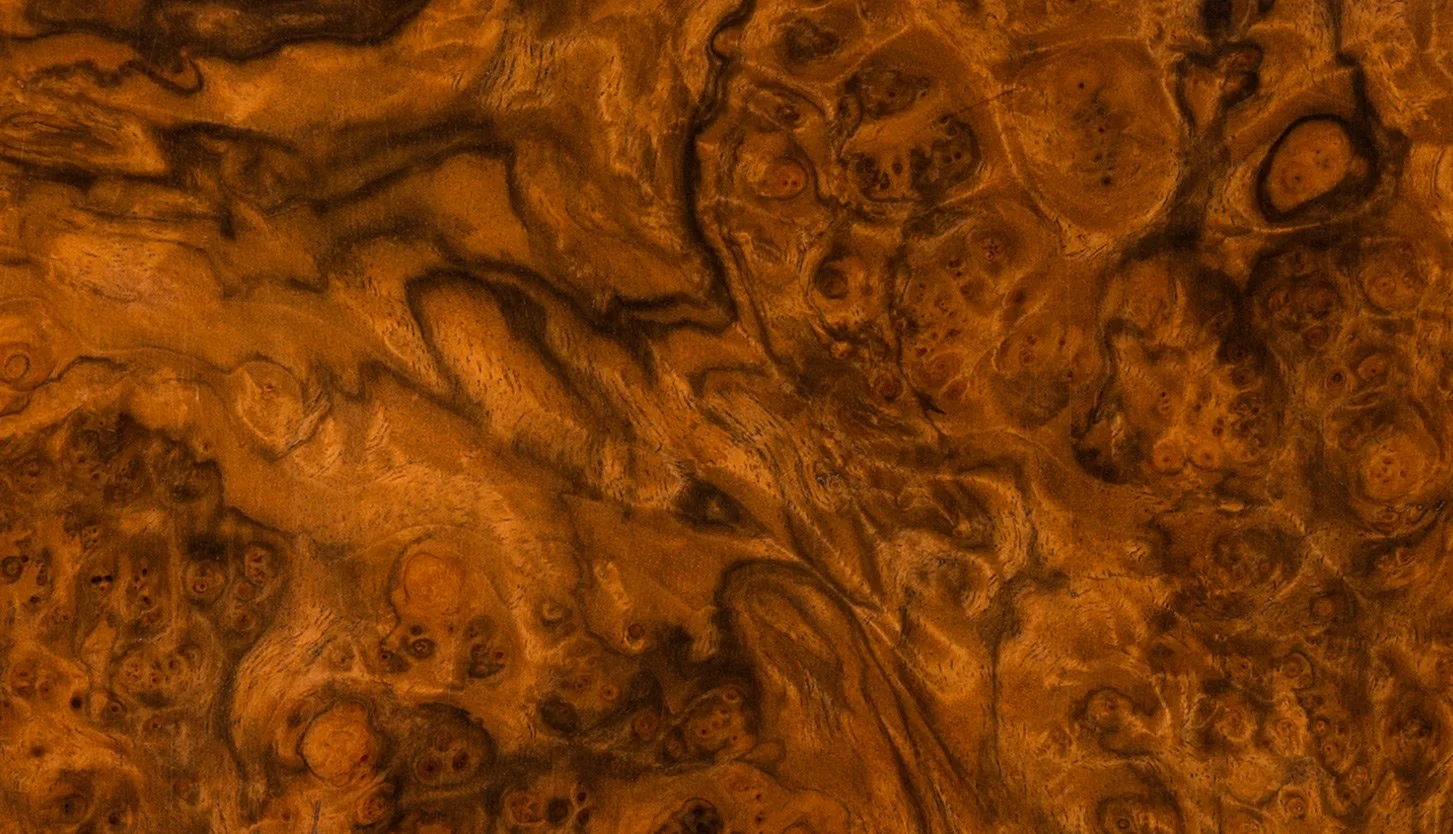
Mahogany
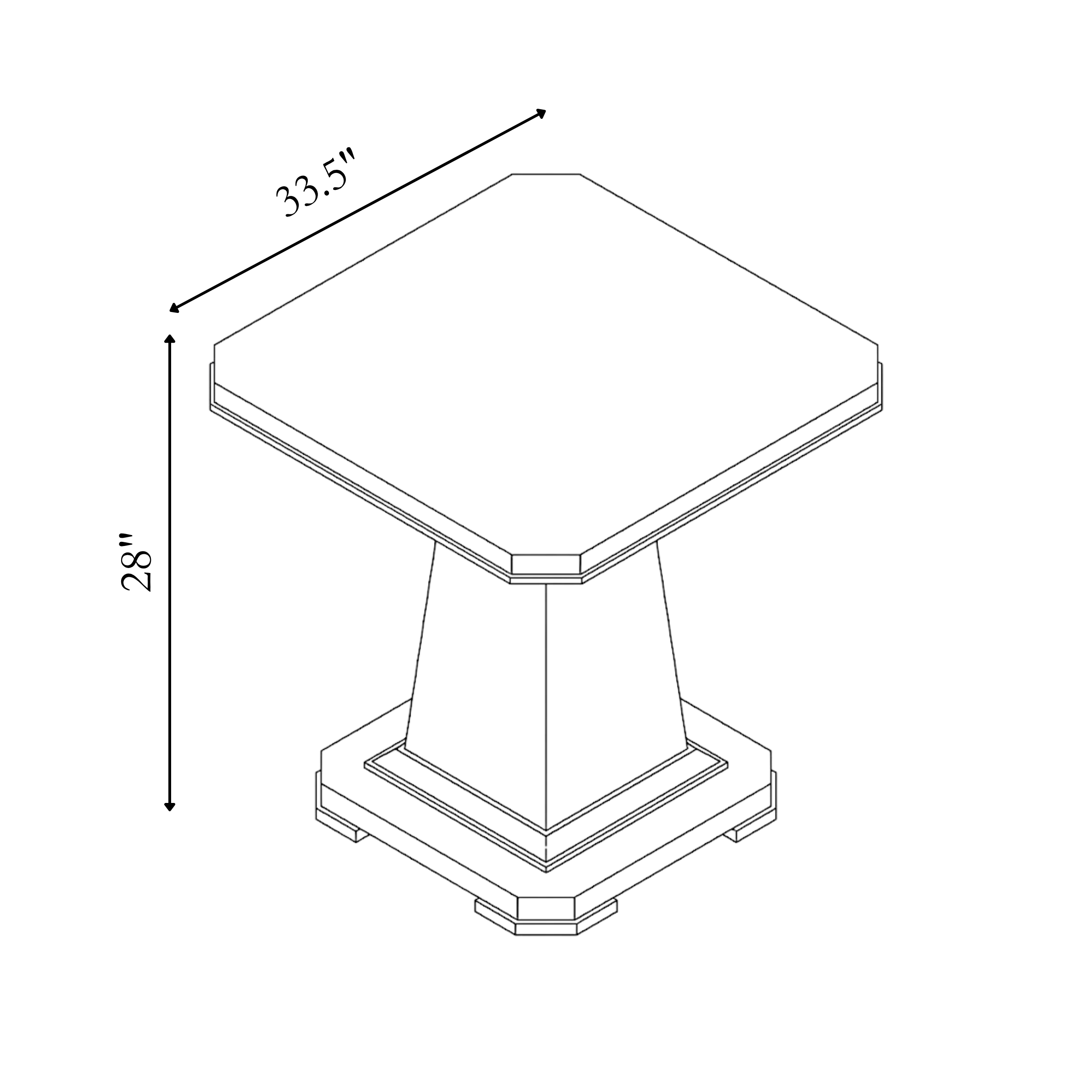
Studio imagery rendered from photographs of the original piece.
Presque does not sell online. Each piece is acquired in person.
A thoughtful pairing...The book.
Rue des Boutiques Obscures, Patrick Modiano (1978).
-
The novel of a man searching for his own erased identity through addresses and old photographs in Paris. Set partly in the Marais, partly in the memory of pre-war Paris. Read alone, after the guests have left, the bar cabinet still open.
The record.
Lady in Stain, Billy Holiday (1957)
-
Recorded in New York with Ray Ellis's orchestra, near the end of her life, voice ravaged. Not French, not period, but it's the album that gets played at midnight in serious people's apartments. The recording is famous for its intimacy; Holiday's voice almost breaks, the strings hold her up. It's the late-night record.
The pour.
Armagnac, Laberdolive
-
A glass of single-vintage Armagnac from a bas-Armagnac producer of Castarède, Darroze, Laberdolive. The digestif of the Parisian intelligentsia between the wars; Cocteau drank Armagnac, so did Colette. Sipped slowly enough to last a chapter of Modiano.
The art.
Pierre Bonnard, Intérieur blanc (1932)
-
Bonnard painted Parisian and southern French interiors with the slow attention of someone who lived in them — bathrooms, dining rooms, the back of his wife's head, the light through curtains. His work is intimiste, domestic, slightly melancholy. Exactly the register of an eleven-o'clock cabinet.
+ Then sought after
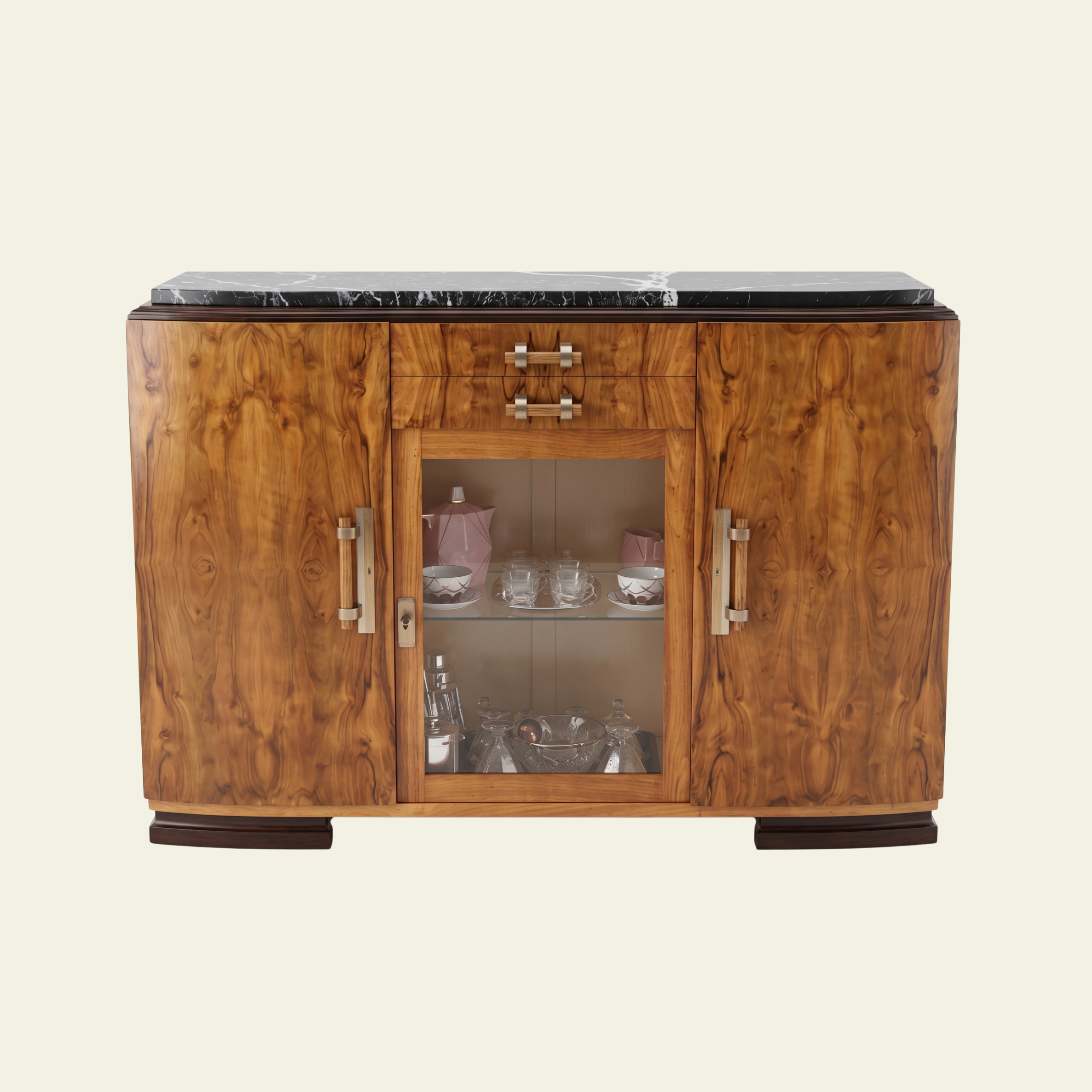
Le marais >
Le Trocadero >
Le Dauphine >
Le Monceau >