No. 007
Le Marais
Meuble Bar Buffet. c. 1929
One for One | Status: Available in Chicago
Le Marais was built for the hour after dinner. Walnut burl veneer with bookmatched grain across both doors, a nero marquina marble top with the natural fissuring of stone quarried before the war, original brass and walnut handles, and a central glass vitrine made for glassware in service — the working architecture of a Parisian meuble bar, c. 1930, from the moment when even the cabinet that held the bottles was made with conviction. Honest, unrestored, original throughout. Authenticity assessed and certified.
-
French atelier production, c. 1929
-
Le Marais is Art Déco Classique, the strain of French interwar design that rejected both the excesses of Art Nouveau and the austerity of the Modernists. Where the Bauhaus stripped ornament entirely, the French ateliers of the late 1920s held their ground: fine materials, restrained decoration, craftsmanship as the argument. This is that tradition. Not furniture as manifesto. Furniture as the highest expression of the métier.
-
Private Home of Saint-Maur-des-Fossés, France. Acquired April 2026.
Authenticity professionally assessed.
-
Presque Studio, Chicago, USA
-
65 × 16¼ × 45¾ (inch)
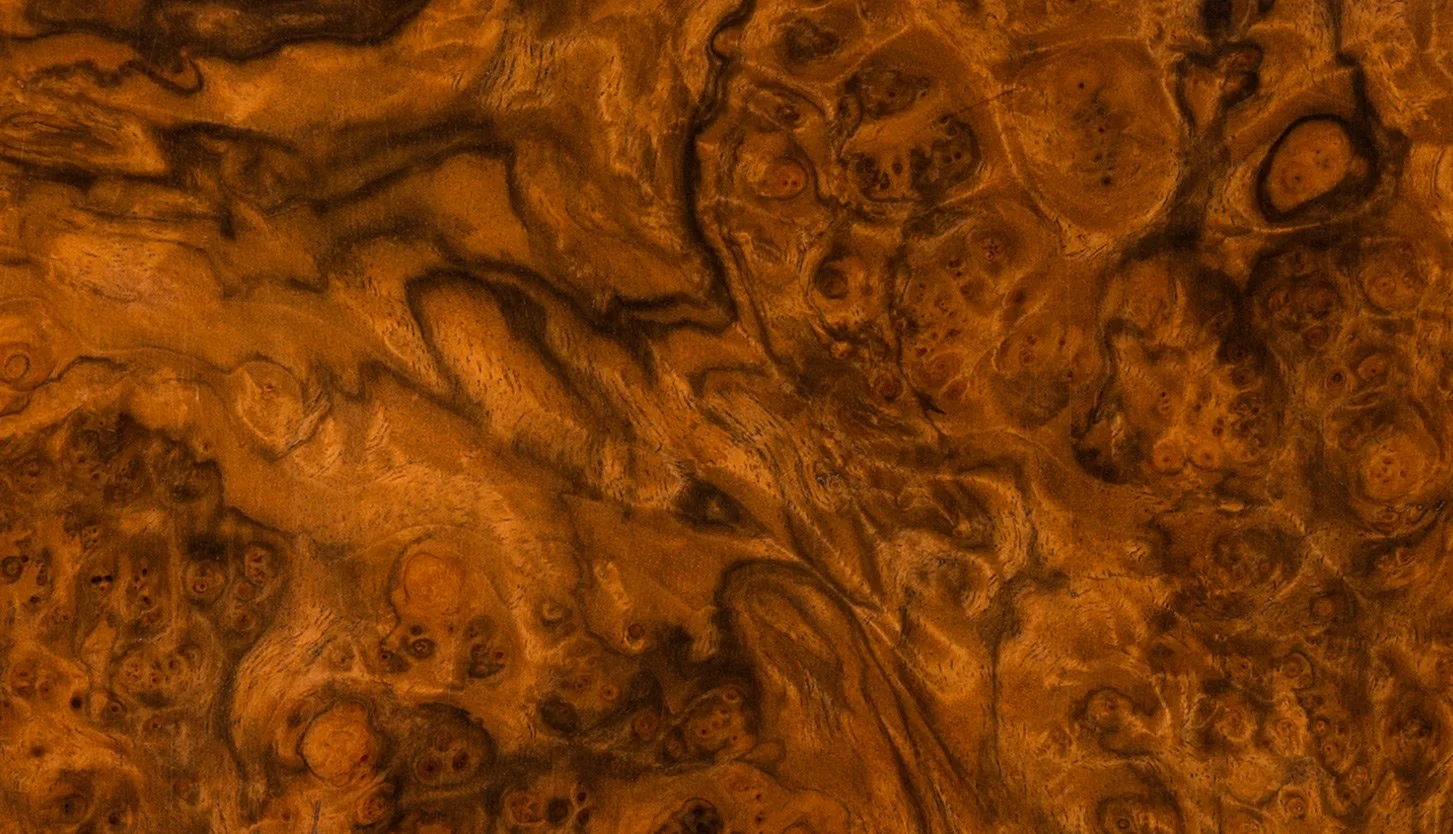
Walnut burl veneer
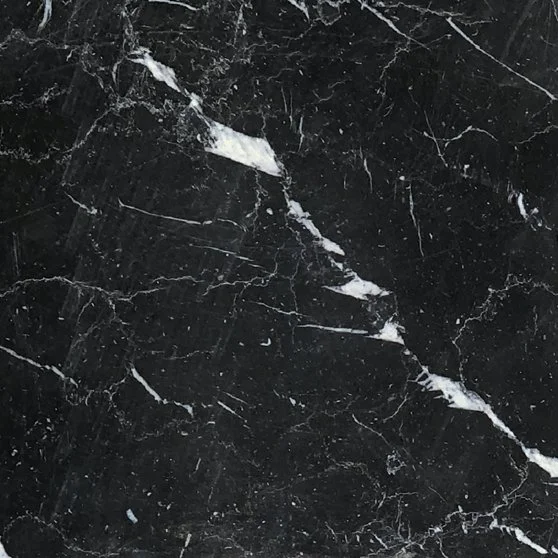
Nero marquina marble

Brass & Walnut Handles

Original Glass vitrine
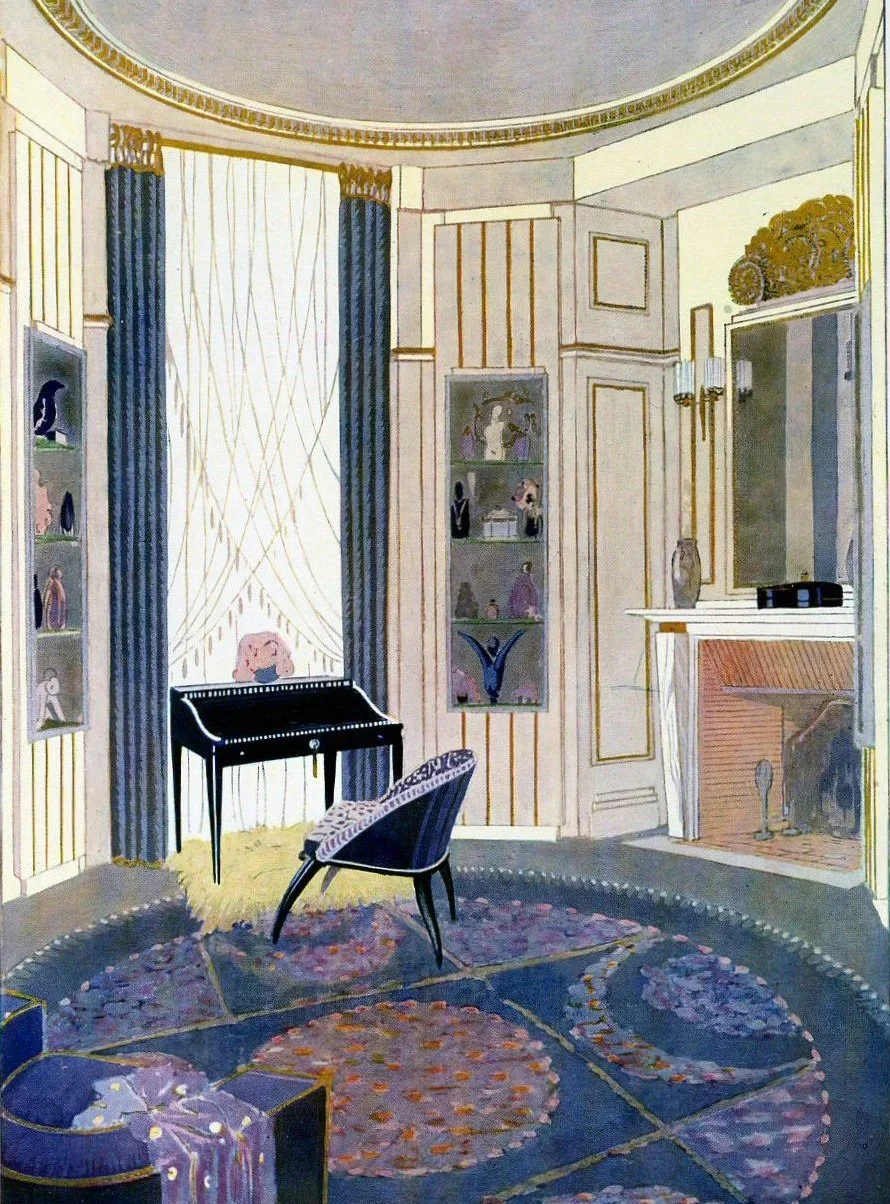
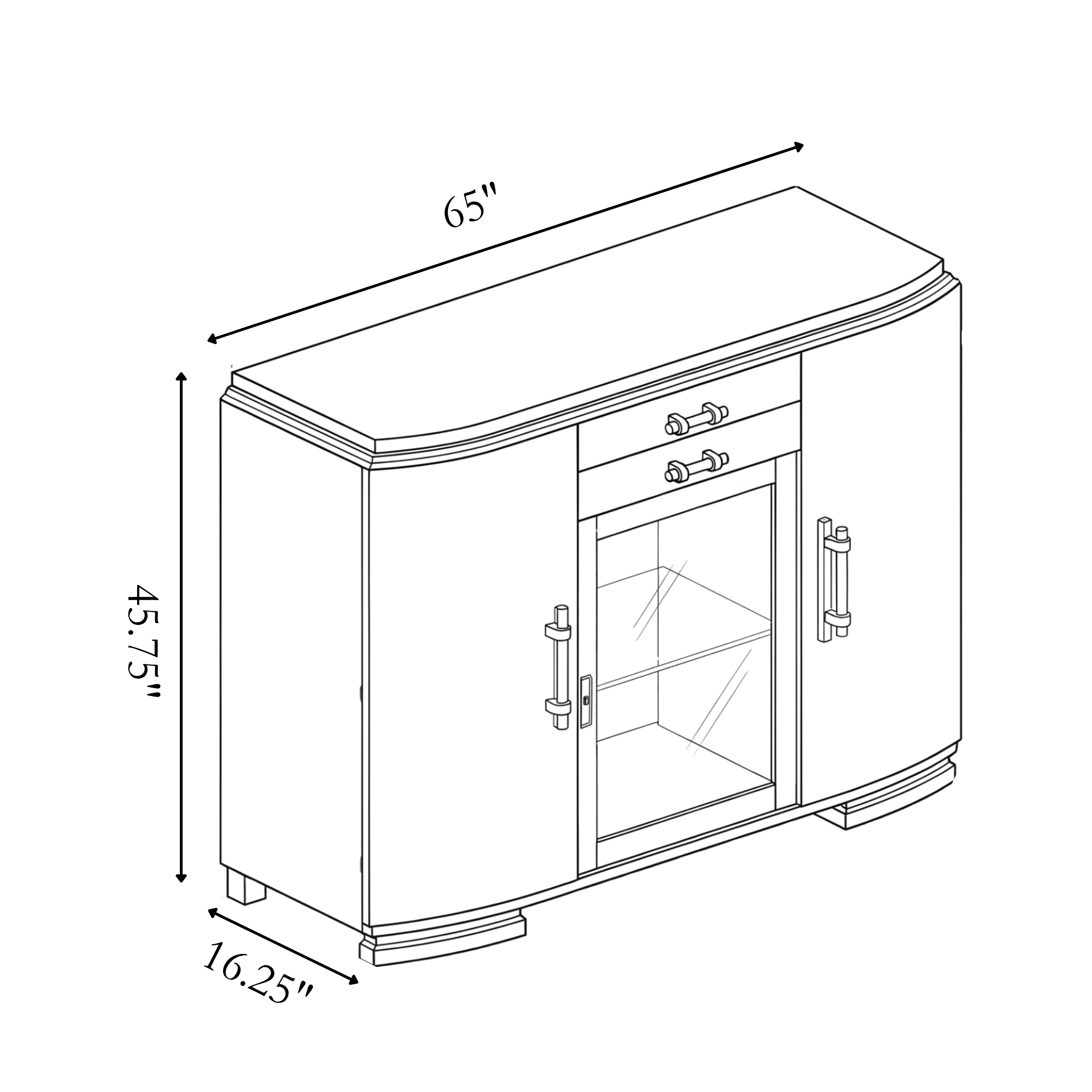
Studio imagery rendered from photographs of the original piece.
Presque does not sell online. Each piece is acquired in person.
A thoughtful pairing...The book.
Rue des Boutiques Obscures, Patrick Modiano (1978).
-
The novel of a man searching for his own erased identity through addresses and old photographs in Paris. Set partly in the Marais, partly in the memory of pre-war Paris. Read alone, after the guests have left, the bar cabinet still open.
The record.
Lady in Stain, Billy Holiday (1957)
-
Recorded in New York with Ray Ellis's orchestra, near the end of her life, voice ravaged. Not French, not period, but it's the album that gets played at midnight in serious people's apartments. The recording is famous for its intimacy; Holiday's voice almost breaks, the strings hold her up. It's the late-night record.
The pour.
Armagnac, Laberdolive
-
A glass of single-vintage Armagnac from a bas-Armagnac producer of Castarède, Darroze, Laberdolive. The digestif of the Parisian intelligentsia between the wars; Cocteau drank Armagnac, so did Colette. Sipped slowly enough to last a chapter of Modiano.
The art.
Pierre Bonnard, Intérieur blanc (1932)
-
Bonnard painted Parisian and southern French interiors with the slow attention of someone who lived in them — bathrooms, dining rooms, the back of his wife's head, the light through curtains. His work is intimiste, domestic, slightly melancholy. Exactly the register of an eleven-o'clock cabinet.
+ Then sought after
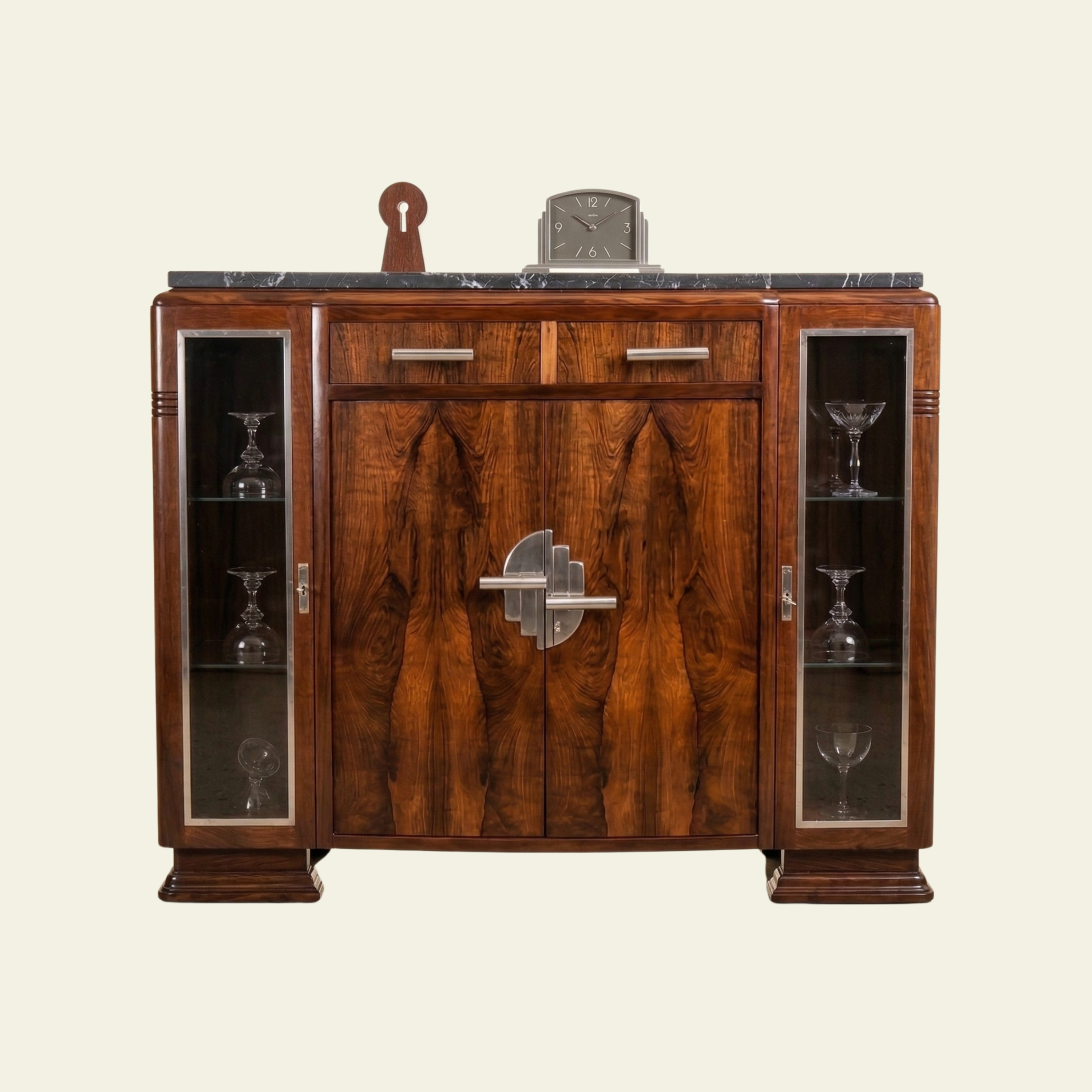
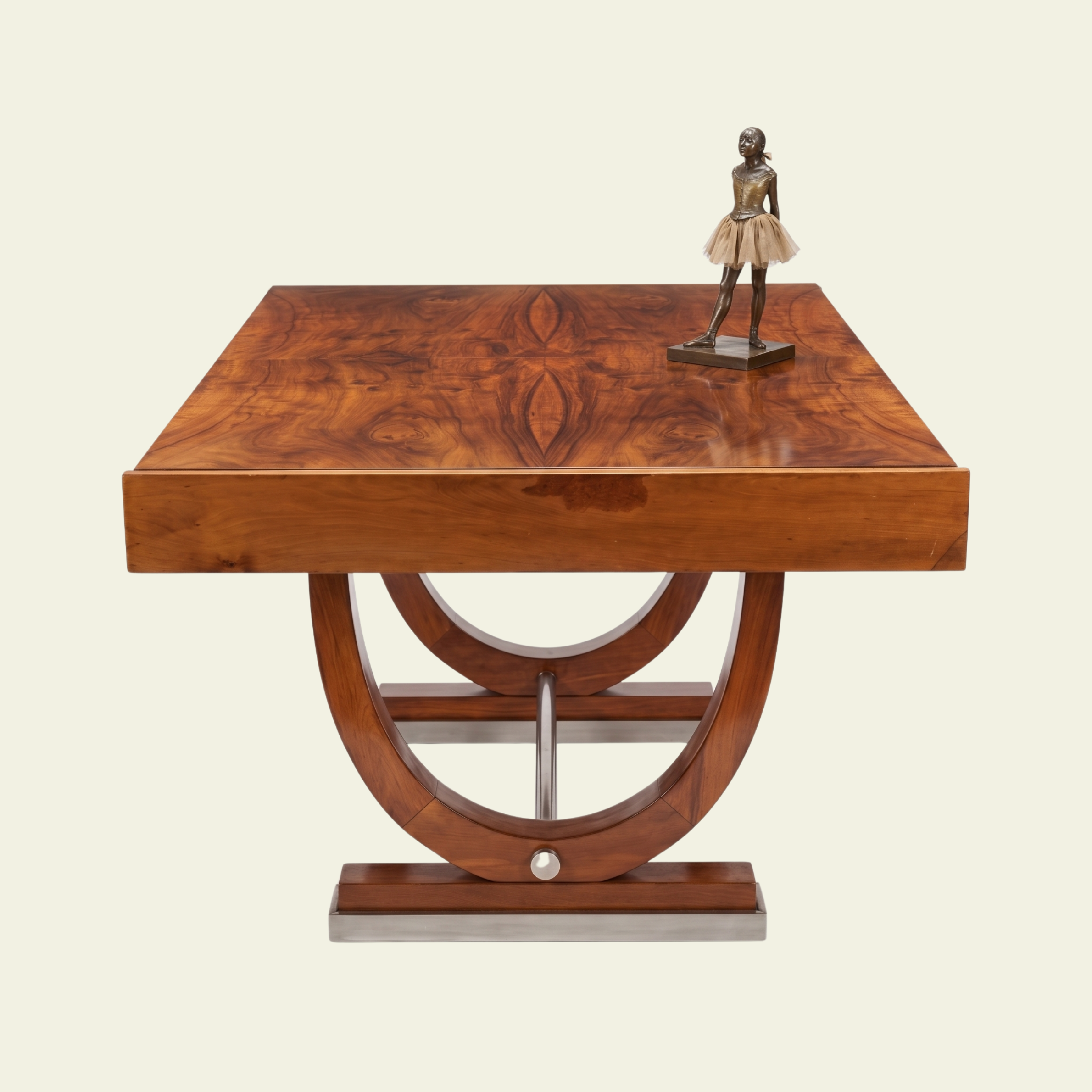
Le Croisé >
Le Trocadero >
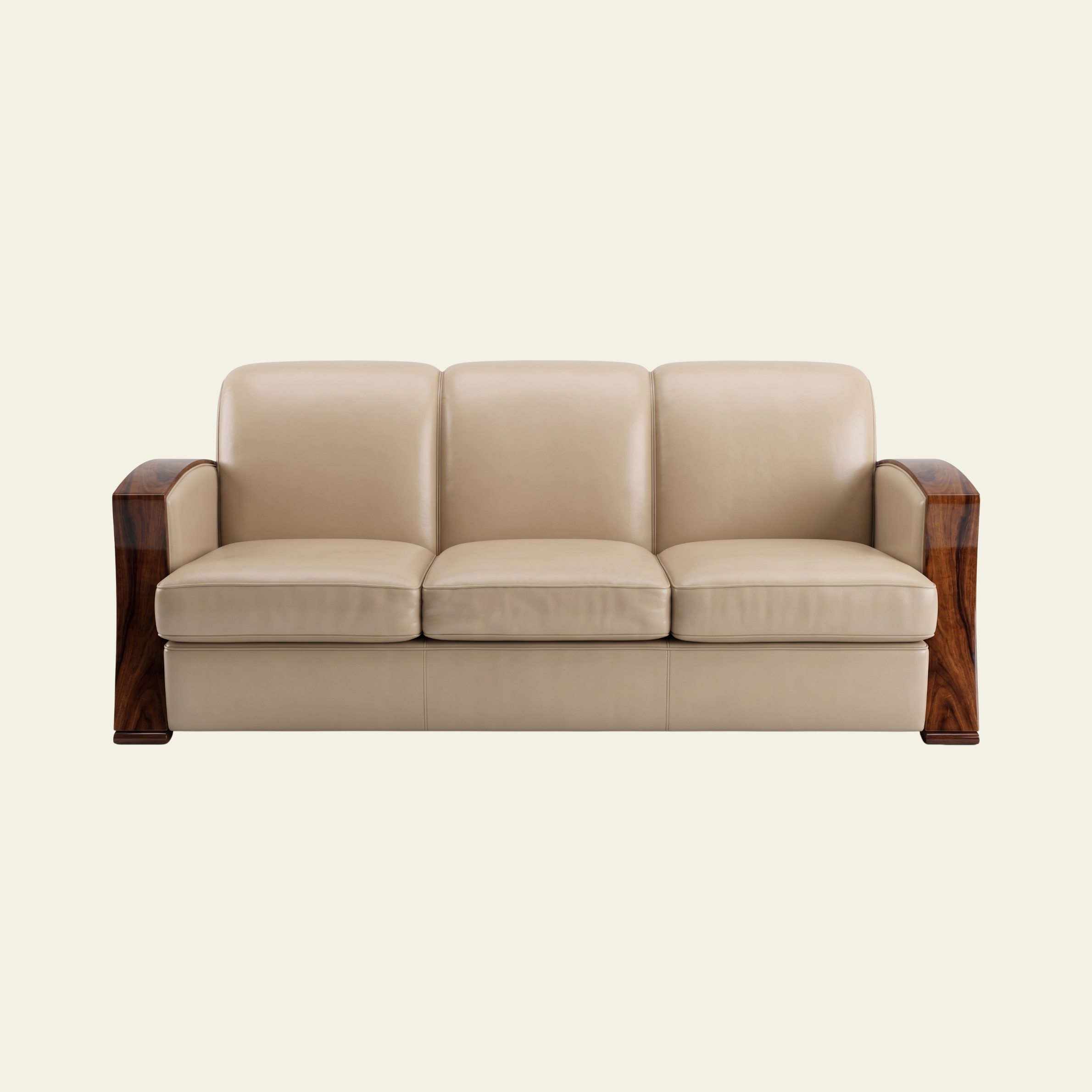
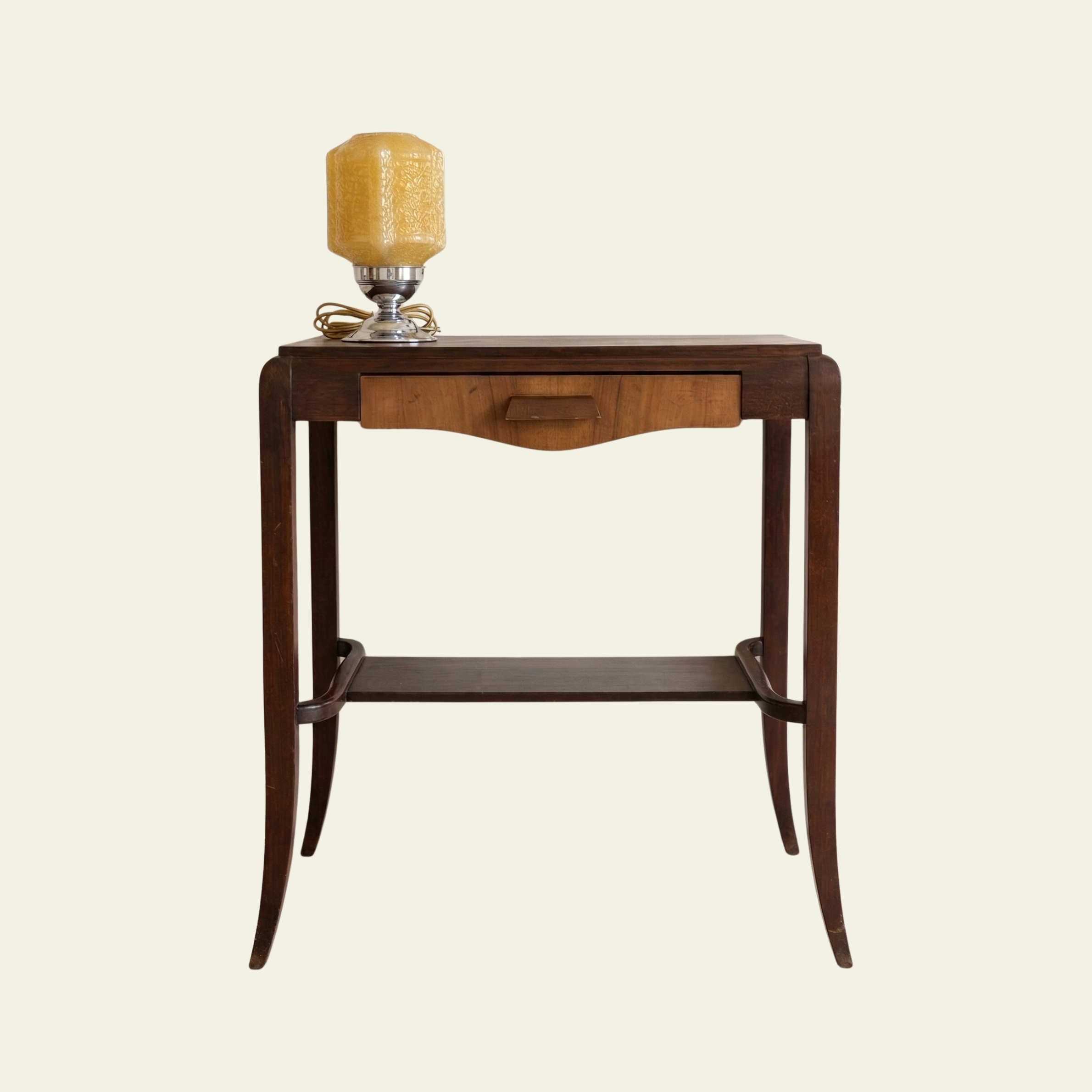
Le Dauphine >
Le Monceau >